Understanding Food Groups
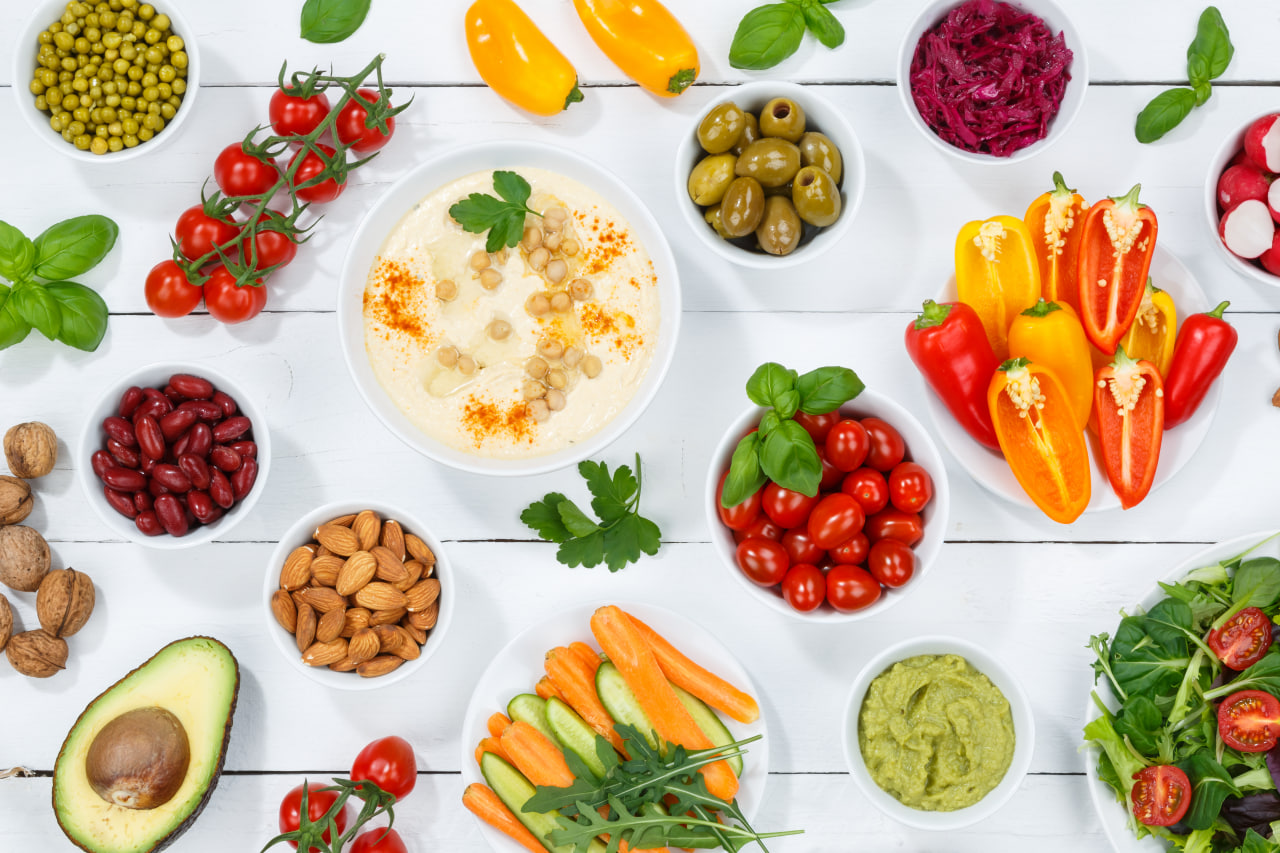
Each food group plays a distinct role in a balanced diet. Here is a practical overview of vegetables, fruits, whole grains, proteins, healthy fats and hydration, along with everyday ways to include them.
🥦
Vegetables
Rich in fibre and a wide range of vitamins. Aim to include a variety of colours across the week, whether raw, roasted, steamed or added to soups and sauces.
🍎
Fruits
A naturally sweet source of fibre and nutrients. Fresh, frozen and dried fruit (in moderation) all count towards everyday intake.
🌾
Whole Grains
Wholemeal bread, oats, brown rice and similar options provide sustained energy and additional fibre compared with refined alternatives.
🍗
Lean Proteins
Poultry, fish, eggs, beans, lentils and tofu support everyday repair and maintenance and help meals feel satisfying.
🥑
Healthy Fats
Olive oil, nuts, seeds and avocado provide essential fats in moderate, everyday portions as part of a balanced meal.
💧
Hydration
Water, herbal tea and other unsweetened drinks support everyday hydration alongside food-based fluid intake.
Bringing food groups together
You do not need to measure exact proportions of each group at every meal. Instead, aim for variety across your day and week — a colourful vegetable side with dinner, fruit with breakfast, whole grains as a base, and a protein and healthy fat included regularly. Over time, this everyday variety naturally supports a well-rounded diet.
Read the Healthy Eating Guide